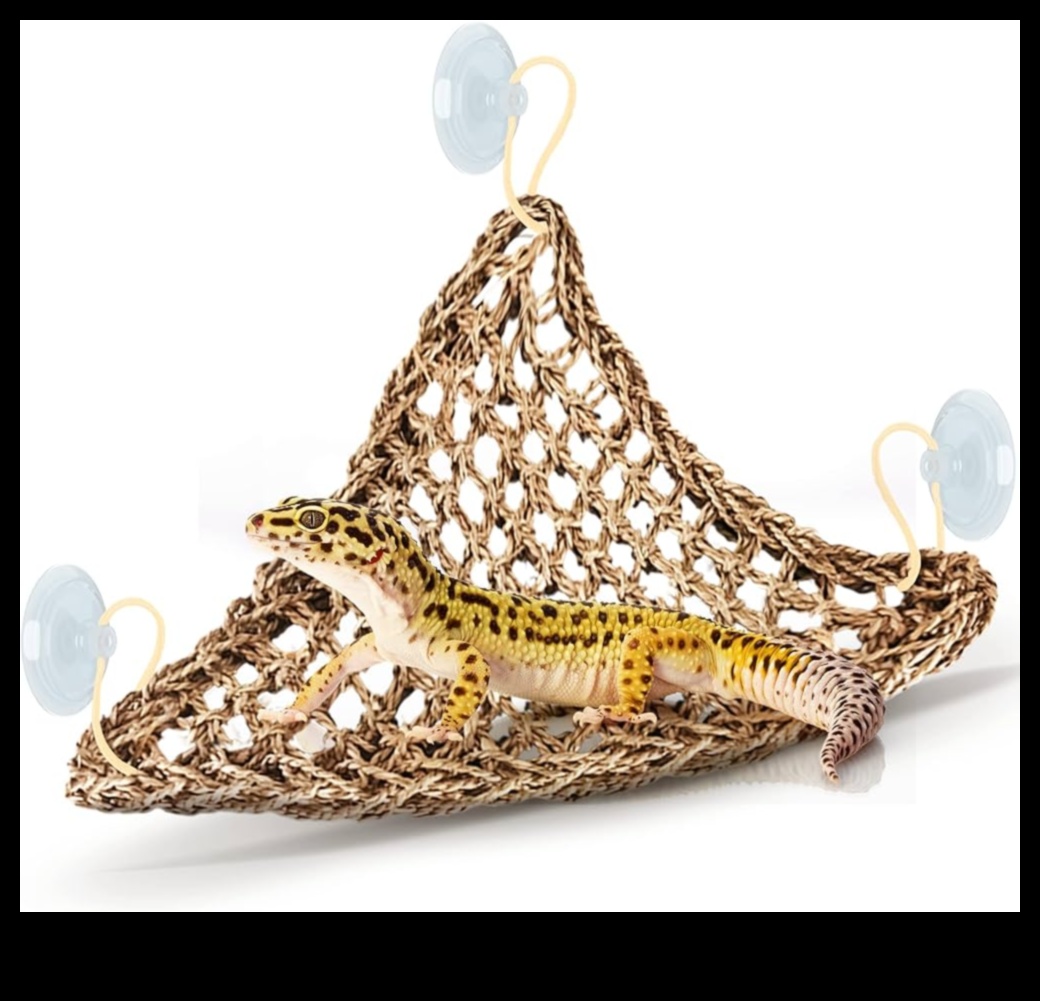
Reptile Relaxation: Creating a Chill-out Zone for Your Reptile
Reptile relaxation is important for the overall health and well-being of your pet. When reptiles are stressed, they can experience a variety of health problems, including decreased appetite, weight loss, and increased susceptibility to disease.
There are a number of things you can do to help your reptile relax, including:
- Creating a relaxing environment for your reptile
- Handling your reptile calmly
- Avoiding overstimulation
- Providing your reptile with enrichment
In this article, we will discuss each of these factors in more detail and provide tips on how to create a chill-out zone for your reptile.
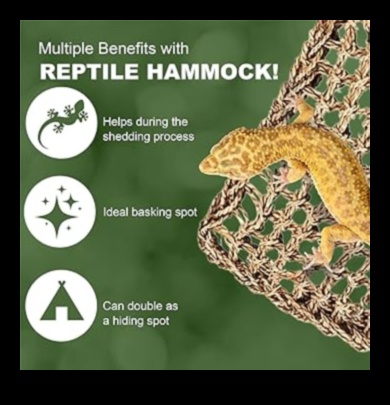
Creating a Relaxing Environment for Your Reptile
The first step to helping your reptile relax is to create a comfortable and stress-free environment for them. This means providing them with a secure enclosure that is the right size for their species, as well as a variety of hiding places and enrichment items.
You should also make sure that the temperature and humidity levels in your reptile’s enclosure are within the proper range. If the temperature or humidity is too high or too low, it can stress out your reptile and make it difficult for them to relax.
Finally, you should try to keep noise levels to a minimum in your reptile’s area. Loud noises can startle your reptile and make them feel stressed.
Handling Your Reptile Calmly
When you handle your reptile, it is important to do so calmly and gently. If you are rough or sudden with your reptile, it can startle them and make them feel stressed.
When you first approach your reptile, speak to them in a calm and soothing voice. This will help to let them know that you are not a threat. Then, slowly and gently pick them up. Support your reptile’s body and hold them close to your body.
Once you have your reptile in your hands, you can gently pet them or stroke their head. However, avoid making any sudden movements or noises.
If your reptile starts to become stressed, put them back in their enclosure immediately. You can try handling them again later, but make sure to go slowly and gently.

Avoiding Overstimulation
Reptiles can become stressed if they are overstimulated. This means that they are exposed to too much activity, noise, or light.
If you are concerned that your reptile is being overstimulated, you can try to reduce the amount of activity in their environment. This means keeping the lights low, reducing noise levels, and limiting the amount of time you handle them.
You can also try to provide your reptile with a quiet and secluded area in their enclosure where they can go to relax. This could be a hide box or a covered area.
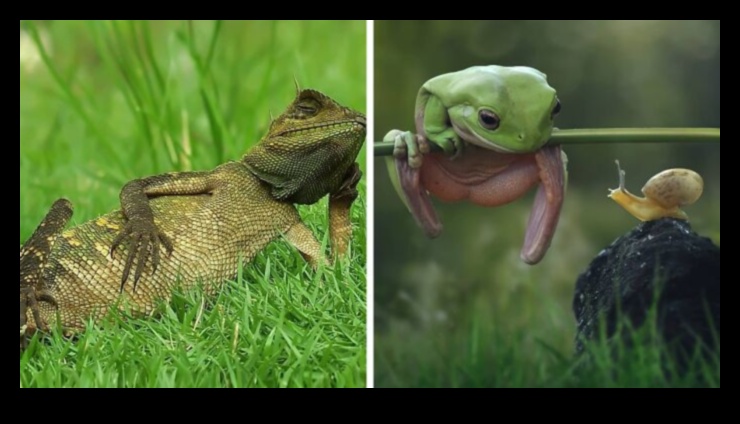
Providing Your Reptile with Enrichment
Enrichment is anything that provides your reptile with mental stimulation and helps them to feel more comfortable in their environment. This could include providing them with a variety of toys, climbing structures, and hiding places.
You can also provide your reptile with enrichment by giving them opportunities to explore their environment. This could involve taking them outside for walks or letting them roam around their enclosure.
Enrichment is an important part of helping your reptile relax and stay healthy. By providing your reptile with a variety of enrichment options, you can help them to create a stress-free environment for themselves.
Understanding Your Reptile’s Body Language
One of the best ways to know if your reptile is stressed is to learn to read their body language. Here are some signs that your reptile may be stressed:
- Whirling or thrashing around
- Hiding or avoiding people
- Replacing
- Breathing heavily
- Tail flicking
If you notice any of these signs in your reptile, it is important to try to identify
| Topic | Feature |
|---|---|
| Reptile Relaxation | Benefits of relaxation for reptiles |
| How to Relax Your Reptile | Methods for relaxing your reptile |
| Common Reptile Stressors | Factors that can stress out reptiles |
| Creating a Relaxing Environment for Your Reptile | Tips for creating a calming environment for your reptile |
2. How to Relax Your Reptile
There are a number of things you can do to help your reptile relax, including:
- Creating a relaxing environment for your reptile
- Handling your reptile calmly
- Avoiding overstimulation
- Providing your reptile with enrichment
Let’s take a closer look at each of these tips.
3. Common Reptile Stressors
There are a number of things that can cause stress in reptiles, including:
- Inappropriate temperature or humidity
- Lack of proper diet
- Too much or too little light
- Loud noises
- Prolonged handling
- Overcrowding
- Infections or parasites
If you suspect that your reptile is stressed, it is important to try to identify the source of the stress and take steps to eliminate it. This may involve making changes to your reptile’s environment, providing them with more enrichment, or reducing the amount of handling they receive.
4. Creating a Relaxing Environment for Your Reptile
The environment that you provide for your reptile can play a big role in how relaxed they are. Here are a few tips for creating a relaxing environment for your reptile:
- Provide a warm hide where your reptile can go to escape the light and heat.
- Provide a cool hide where your reptile can go to cool down.
- Provide a variety of substrates, such as sand, bark, and rocks, so that your reptile can choose the one that they find most comfortable.
- Provide plenty of hiding places, such as rocks, plants, and driftwood.
- Keep the noise level in your reptile’s enclosure to a minimum.
- Avoid making sudden movements or loud noises around your reptile.
By following these tips, you can help create a relaxing environment for your reptile and help them to stay healthy and happy.
5. Handling Your Reptile Calmly
One of the most important things you can do to help your reptile relax is to handle them calmly and gently. When you are handling your reptile, try to move slowly and avoid making sudden movements. Talk to your reptile in a soothing voice and let them know that you are there to help them. If your reptile seems to be getting stressed, put them back in their enclosure and try again later.
Here are some tips for handling your reptile calmly:
- Wash your hands before and after handling your reptile.
- Use a soft, dry cloth to gently wipe down your reptile’s body.
- Support your reptile’s body with both hands.
- Hold your reptile close to your body and talk to them in a soothing voice.
- If your reptile seems to be getting stressed, put them back in their enclosure and try again later.
6. Avoiding Overstimulation
One of the most important things you can do to help your reptile relax is to avoid overstimulating them. This means providing them with a quiet, calm environment and not handling them too much. If you need to handle your reptile, do so gently and for short periods of time.
You should also avoid exposing your reptile to loud noises, bright lights, and sudden movements. If you have other pets, make sure they are not allowed to bother your reptile.
If you are concerned that your reptile is overstimulated, you can try creating a “chill-out zone” for them. This can be a quiet, dark area of their enclosure where they can go to relax. You can also provide them with some calming enrichment, such as a piece of driftwood or a soft cloth.
Providing Your Reptile with Enrichment
Enrichment is anything that provides your reptile with mental stimulation and physical activity. It can help to keep your reptile healthy and happy, and it can also help to reduce stress. There are many different ways to provide enrichment for your reptile, but some of the most common methods include:
- Giving your reptile a variety of food items to choose from
- Providing your reptile with a variety of hiding places
- Giving your reptile opportunities to climb, dig, and explore
- Adding branches, rocks, and other objects to your reptile’s enclosure
- Playing games with your reptile
- Taking your reptile outside for walks or to explore new environments
When choosing enrichment activities for your reptile, it is important to consider your reptile’s individual needs and preferences. Some reptiles are more active than others, and some reptiles prefer to be left alone. It is also important to make sure that the enrichment activities you provide are safe for your reptile.
Enrichment is an important part of providing your reptile with a healthy and happy life. By providing your reptile with a variety of enrichment activities, you can help to keep your reptile stimulated, active, and stress-free.
Understanding Your Reptile’s Body Language
Understanding your reptile’s body language is essential for providing them with the best possible care. By being able to read your reptile’s signals, you can identify when they are stressed or uncomfortable, and take steps to make them feel more relaxed.
Here are some of the common body language signals that reptiles use to communicate:
- Flattened body: This is a sign of stress or fear.
- Tail flicking: This can be a sign of agitation or excitement.
- Wiggling: This is a sign of contentment or excitement.
- Basking: This is a sign that your reptile is feeling warm and comfortable.
- Hiding: This is a sign that your reptile is feeling scared or threatened.
If you notice any of these signs in your reptile, it is important to take steps to make them feel more relaxed. This may include providing them with a more comfortable environment, reducing the amount of handling they receive, or giving them more opportunities to bask.
By understanding your reptile’s body language, you can provide them with the best possible care and help them to live a long and healthy life.
9. Signs of Reptile Stress
There are a number of signs that can indicate that your reptile is stressed. These signs can include:
- Change in appetite
- Increased or decreased activity level
- Changes in skin color or texture
- Hiding or becoming more aggressive
- Excessive shedding
- Breathing difficulties
- Loss of appetite
- Diarrhea
If you notice any of these signs in your reptile, it is important to take steps to reduce their stress levels. This may involve making changes to their environment, providing them with more enrichment, or handling them more gently.
If you are concerned about your reptile’s stress levels, it is always best to consult with a veterinarian.
Questions and Their Answers
Q: What are the benefits of reptile relaxation?
A: Relaxation can help reptiles to:
- Reduce stress
- Improve their overall health
- Be more active
Q: How can I relax my reptile?
A: There are a number of things you can do to help your reptile relax, including:
- Provide them with a comfortable environment
- Handle them calmly and gently
- Avoid overstimulation
- Provide them with enrichment
Q: What are some common signs of reptile stress?
A: Some common signs of reptile stress include:
- Hiding
- Biting
- Shedding excessively
- Not eating