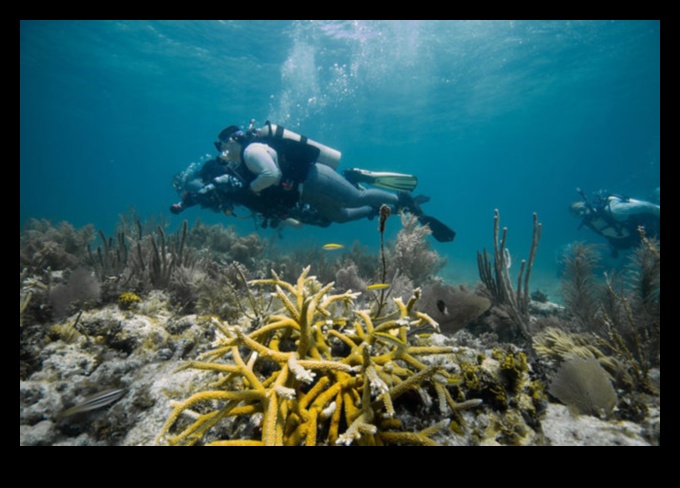
Marine ecosystems are complex and diverse systems that support a wide variety of life. They are found in all of the world’s oceans, from the polar regions to the tropics. Marine ecosystems provide food, shelter, and breeding grounds for a variety of organisms, including fish, shellfish, sea turtles, and whales. They also play a vital role in the global carbon cycle and help to regulate the Earth’s climate.
Components of a Marine Ecosystem
Marine ecosystems are made up of a variety of components, including:
- Water
- Sediment
- Organisms
- Energy
Water is the most important component of a marine ecosystem. It provides a medium for the movement of organisms and nutrients, and it helps to regulate the temperature of the ecosystem. Sediment is another important component of marine ecosystems. It provides a habitat for a variety of organisms, and it helps to filter pollutants from the water. Organisms are the third important component of marine ecosystems. They are the producers, consumers, and decomposers that make up the food chain. Energy is the fourth important component of marine ecosystems. It is the driving force behind the food chain and it is essential for the survival of all organisms in the ecosystem.
Food Chain in a Marine Ecosystem
The food chain in a marine ecosystem is a complex network of interactions between organisms. The basic food chain consists of producers, consumers, and decomposers. Producers are organisms that can make their own food, such as algae and phytoplankton. Consumers are organisms that eat other organisms, such as fish, shellfish, and sea turtles. Decomposers are organisms that break down dead organic matter, such as bacteria and fungi.
The food chain in a marine ecosystem is not a simple linear pathway. There are many complex interactions between organisms at different trophic levels. For example, some fish are both predators and prey. They eat other fish, but they are also eaten by larger fish. These complex interactions help to maintain the balance of the ecosystem.
Energy Flow in a Marine Ecosystem
Energy flows through a marine ecosystem in a series of steps. The sun is the ultimate source of energy for all marine ecosystems. Solar energy is captured by phytoplankton and other photosynthetic organisms. These organisms use the energy from the sun to produce food in the form of carbohydrates. The food produced by phytoplankton and other photosynthetic organisms is then eaten by other organisms in the ecosystem. As energy flows through the ecosystem, it is transferred from one organism to another.
The amount of energy that is available at each trophic level decreases as it is passed from one organism to another. This is because some of the energy is lost as heat. The amount of energy that is available at each trophic level is known as the trophic efficiency. The trophic efficiency of a marine ecosystem is typically around 10%. This means that only 10% of the energy that is available at one trophic level is available at the next trophic level.
Nutrient Cycling in a Marine Ecosystem
Nutrients are essential for the survival of all organisms in a marine ecosystem. Nutrients are cycled through the ecosystem in a series of processes. The main processes involved in nutrient cycling are:
- Uptake of nutrients by organisms
- Release of nutrients by organisms
- Transport of nutrients by water currents
- Deposition of nutrients on the seafloor
- Upwelling of nutrients from the seafloor
The cycling of nutrients is essential for the maintenance of the balance of the ecosystem. If nutrients are not cycled properly, the ecosystem can become unbalanced and the organisms that live in it can suffer.
Human Impacts on Marine Ecosystems
Human activities are having a significant impact on marine ecosystems. These impacts include:
- Pollution
- Climate change
- Overfishing
- Invasive species
Pollution is a major threat to marine ecosystems. Pollution
| Marine Ecosystem | Coastal Ecosystem |
|---|---|
| A marine ecosystem is a community of living organisms in a marine environment. | A coastal ecosystem is a marine ecosystem that is located along the coast. |
| Marine ecosystems include oceans, seas, estuaries, and coastal wetlands. | Coastal ecosystems include beaches, dunes, salt marshes, mangrove forests, and coral reefs. |
| Marine ecosystems are home to a wide variety of organisms, including fish, shellfish, marine mammals, and seabirds. | Coastal ecosystems are home to a wide variety of organisms, including shorebirds, sea turtles, and sea urchins. |
| Marine ecosystems provide food, water, and shelter for humans. | Coastal ecosystems provide food, water, and shelter for humans. |
II. Components of a Marine Ecosystem
A marine ecosystem is a complex community of organisms that interact with each other and with their environment. Marine ecosystems are found in all parts of the ocean, from the shallow coastal waters to the deep sea. They are home to a wide variety of organisms, including fish, shellfish, corals, seaweed, and plankton.
The physical characteristics of a marine ecosystem, such as water temperature, salinity, and depth, play a major role in determining the types of organisms that live there. Marine ecosystems are also influenced by human activities, such as pollution, overfishing, and climate change.
Marine ecosystems provide a variety of important services to humans, such as food, recreation, and tourism. They also play a vital role in regulating the climate and providing food and shelter for wildlife.
III. Food Chain in a Marine Ecosystem
A food chain is a series of organisms that are linked together by their feeding relationships. In a marine ecosystem, the primary producers are phytoplankton, which are microscopic algae that use sunlight to produce food. These phytoplankton are eaten by zooplankton, which are small animals that filter the water for food. Zooplankton are then eaten by small fish, which are eaten by larger fish, and so on. At the top of the food chain are apex predators, such as sharks and whales, which have no natural predators.
The food chain in a marine ecosystem is important because it provides a way for energy to flow through the system. Energy enters the system from the sun and is passed from one organism to the next. This energy is used by organisms to grow, reproduce, and maintain their bodies.
The food chain in a marine ecosystem is also important because it helps to maintain the balance of the ecosystem. If one organism in the food chain is removed, it can have a ripple effect on the entire ecosystem. For example, if the number of phytoplankton decreases, it will lead to a decrease in the number of zooplankton, which will lead to a decrease in the number of small fish, and so on. This can eventually lead to a decrease in the number of apex predators, which can have a negative impact on the entire ecosystem.
IV. Energy Flow in a Marine Ecosystem
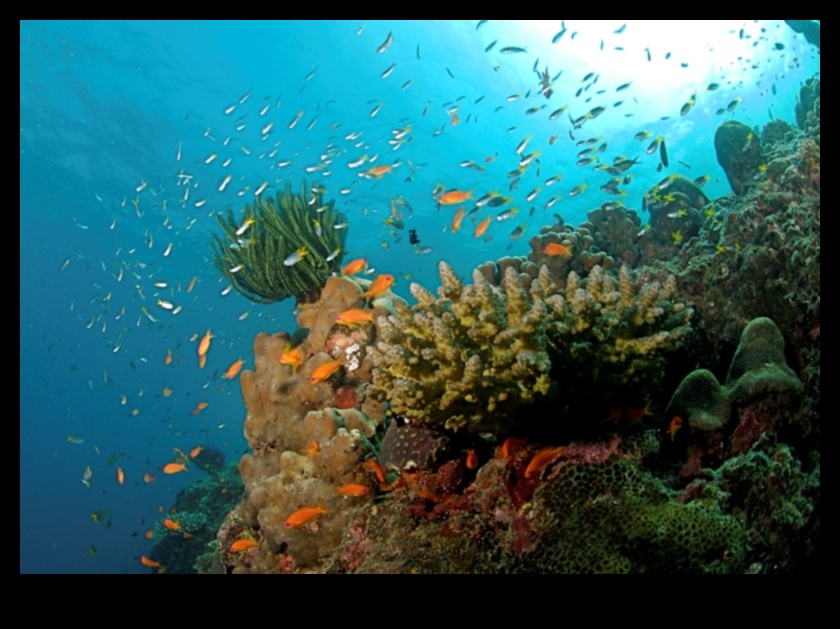
Energy flows through a marine ecosystem in a series of steps, starting with the sun. The sun’s energy is absorbed by phytoplankton, which are microscopic algae that live in the water. Phytoplankton use this energy to produce food through photosynthesis. This food is then eaten by zooplankton, which are small animals that feed on phytoplankton. Zooplankton are in turn eaten by larger animals, such as fish and whales. This process of energy transfer is called a food chain.
The amount of energy that is available at each level of the food chain is called the trophic level. The first trophic level is the producers, which are the phytoplankton. The second trophic level is the consumers, which are the zooplankton and fish. The third trophic level is the predators, which are the whales and other large animals.
The amount of energy that is transferred from one trophic level to the next is called the trophic efficiency. The trophic efficiency is typically around 10%, which means that only 10% of the energy that is available at one trophic level is transferred to the next trophic level. This means that the amount of energy available at each level of the food chain decreases as you move up the chain.
The energy flow in a marine ecosystem is essential for the survival of all of the organisms that live in it. The energy that is transferred from one trophic level to the next provides the food that the organisms need to survive. Without this energy flow, the marine ecosystem would collapse.
V. Nutrient Cycling in a Marine Ecosystem
Nutrient cycling is the process by which nutrients are exchanged between the biotic and abiotic components of a marine ecosystem. Nutrients are essential for the growth and survival of marine organisms, and the cycling of nutrients ensures that they are available in a form that can be used by organisms.
There are three main types of nutrient cycling in marine ecosystems:
- Gaseous nutrient cycling
- Dissolved nutrient cycling
- Particle nutrient cycling
Gaseous nutrient cycling involves the exchange of gases between the atmosphere and the ocean. Dissolved nutrient cycling involves the exchange of nutrients between the water column and the sediments. Particle nutrient cycling involves the exchange of nutrients between particles (such as detritus and phytoplankton) and the water column.
Nutrient cycling is essential for the maintenance of marine ecosystems. By ensuring that nutrients are available in a form that can be used by organisms, nutrient cycling allows marine ecosystems to function properly.
VI. Human Impacts on Marine Ecosystems
Human activities have a significant impact on marine ecosystems. These impacts can be direct, such as pollution and overfishing, or indirect, such as climate change.
Direct impacts of human activities on marine ecosystems include:
- Pollution: Human activities can pollute marine ecosystems with a variety of pollutants, including sewage, industrial waste, and agricultural runoff. These pollutants can harm marine organisms by poisoning them, altering their habitats, or disrupting their food chains.
- Overfishing: Overfishing is the removal of fish from an ecosystem at a rate that is faster than the fish can reproduce. This can lead to a decline in fish populations, which can have a ripple effect on the entire ecosystem.
- Bycatch: Bycatch is the unintended capture of non-target species during fishing operations. Bycatch can harm or kill marine organisms that are not being targeted by fishermen.
Indirect impacts of human activities on marine ecosystems include:
- Climate change: Climate change is causing the oceans to warm, which is leading to a number of changes in marine ecosystems. These changes include changes in the distribution of marine species, changes in the abundance of marine species, and changes in the productivity of marine ecosystems.
- Ocean acidification: Ocean acidification is caused by the increase in carbon dioxide in the atmosphere. Carbon dioxide dissolves in seawater and forms carbonic acid, which makes the ocean more acidic. Ocean acidification is harming marine organisms by making it difficult for them to build shells and skeletons.
- Eutrophication: Eutrophication is the process by which an ecosystem becomes enriched with nutrients, such as nitrogen and phosphorus. This can lead to a number of problems in marine ecosystems, including algal blooms, which can harm marine life and reduce water quality.
Human impacts on marine ecosystems are a serious threat to the health of these ecosystems. It is important to take steps to reduce our impact on marine ecosystems in order to protect their future.
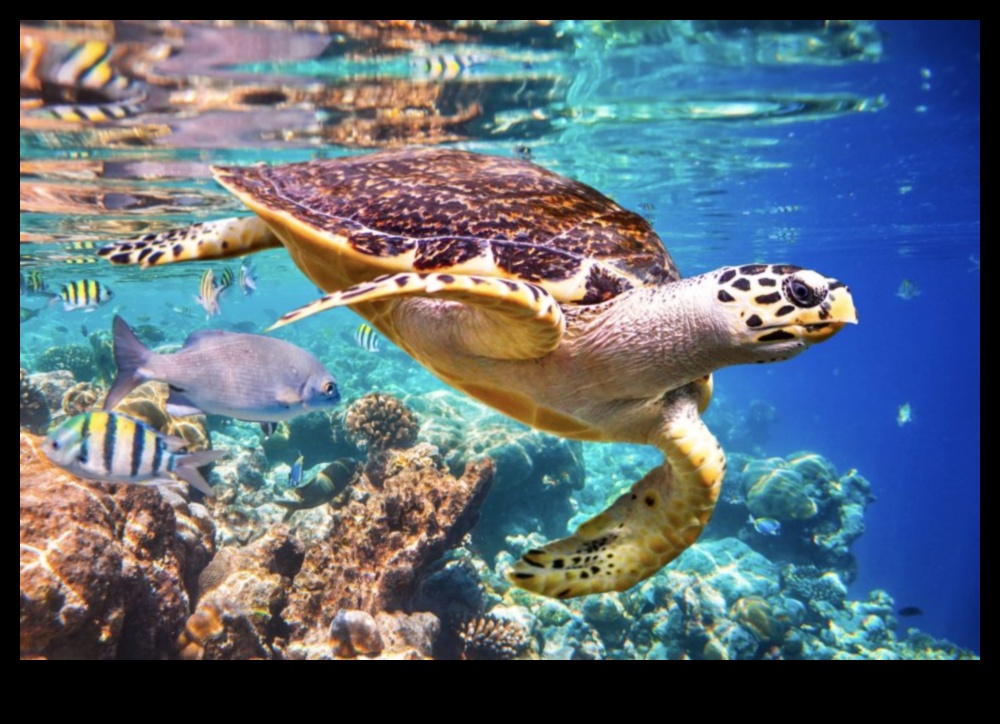
VII. Conservation of Marine Ecosystems
Marine ecosystems are essential to the health of our planet, providing us with food, oxygen, and other resources. However, marine ecosystems are facing a number of threats, including pollution, climate change, and overfishing.
Conservation of marine ecosystems is essential to ensure their long-term survival. There are a number of things that can be done to conserve marine ecosystems, including:
- Reduce pollution from land-based sources
- Protect marine habitats from development
- Reduce fishing pressure
- Support sustainable fisheries
- Increase marine protected areas
By working together, we can conserve marine ecosystems and ensure their continued role in providing us with the resources we need.
Sustainable Use of Marine Resources
Marine resources are essential for human survival. They provide food, jobs, and recreation. However, human activities are putting a strain on marine ecosystems, and many marine resources are being depleted.
Sustainable use of marine resources is essential to ensure that future generations can enjoy the benefits of the ocean. Sustainable use means using marine resources in a way that does not damage the ecosystem and that meets the needs of the present without compromising the ability of future generations to meet their own needs.
There are a number of ways to promote sustainable use of marine resources. These include:
- Conserving marine biodiversity
- Managing fisheries sustainably
- Reducing pollution
- Protecting marine habitats
By working together, we can ensure that marine resources are used sustainably and that future generations can enjoy the benefits of the ocean.
IX. Marine Protected Areas
Marine protected areas (MPAs) are areas of ocean that are protected from human activities in order to conserve marine life. MPAs can be established for a variety of reasons, such as to protect threatened species, to maintain biodiversity, or to provide areas for recreation and education.
There are a variety of different types of MPAs, each with its own set of regulations. Some MPAs are no-take zones, where no fishing or other extractive activities are allowed. Other MPAs allow limited fishing or other activities, such as scuba diving or snorkeling.
MPAs can be effective in protecting marine life. Studies have shown that MPAs can help to increase fish populations, protect threatened species, and improve water quality. MPAs can also provide important benefits to humans, such as providing areas for recreation and education, and helping to protect coastal communities from storms and flooding.
Despite the benefits of MPAs, they are not without challenges. MPAs can be expensive to establish and manage, and they can sometimes conflict with the interests of local fishermen and other stakeholders. However, the benefits of MPAs outweigh the challenges, and they are an important tool for conserving marine life and protecting the ocean.
Most Asked Questions
Q: What is a marine ecosystem?
A: A marine ecosystem is a community of living organisms in a marine environment. Marine ecosystems include the ocean, estuaries, coastal waters, and the deep sea.
Q: What are the components of a marine ecosystem?
A: The components of a marine ecosystem include the abiotic environment (the physical and chemical conditions of the environment), the biotic community (the living organisms in the environment), and the interactions between the abiotic and biotic components.
Q: What are the threats to marine ecosystems?
A: The threats to marine ecosystems include pollution, climate change, overfishing, and habitat destruction.