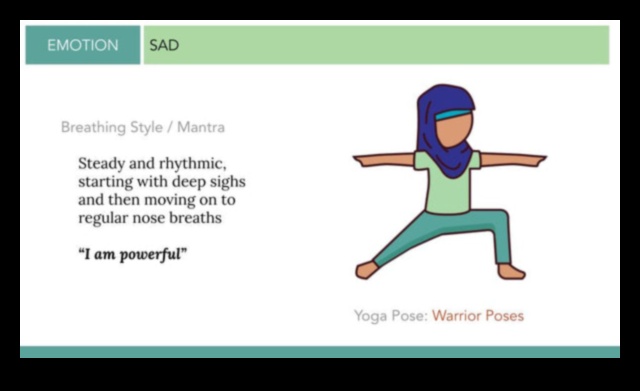
Whimsical Warrior Poses: Playful Yoga for Kids’ Exercise
Yoga is a great way for kids to get exercise, relieve stress, and improve their overall health. Playful yoga poses are a fun and engaging way to introduce yoga to kids. These poses are designed to be fun and silly, and they help kids to learn the basics of yoga in a playful way.
Here are some of the benefits of playful yoga for kids:
- Improved flexibility
- Increased strength
- Better balance
- Reduced stress
- Improved focus
- Increased self-confidence
If you’re looking for a fun and engaging way to get your kids moving, playful yoga is a great option. Here are some tips for doing playful yoga with kids:
- Make it fun! Yoga should be a fun and enjoyable experience for kids. Choose poses that are age-appropriate and that your kids will enjoy.
- Be patient. Kids may not be able to hold poses for as long as adults can. Allow them to move at their own pace and encourage them to have fun.
- Encourage creativity. Let kids come up with their own yoga poses. This is a great way for them to express themselves and have fun.
Here are some playful yoga poses for kids:
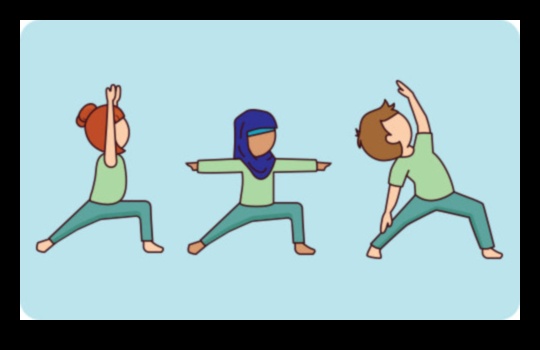
- Warrior Pose (Virabhadrasana I): Stand with your feet shoulder-width apart. Step your right foot forward and bend your right knee so that your thigh is parallel to the floor. Raise your arms up overhead and reach for the sky. Hold for 5-10 breaths. Then, step back to center and repeat on the other side.
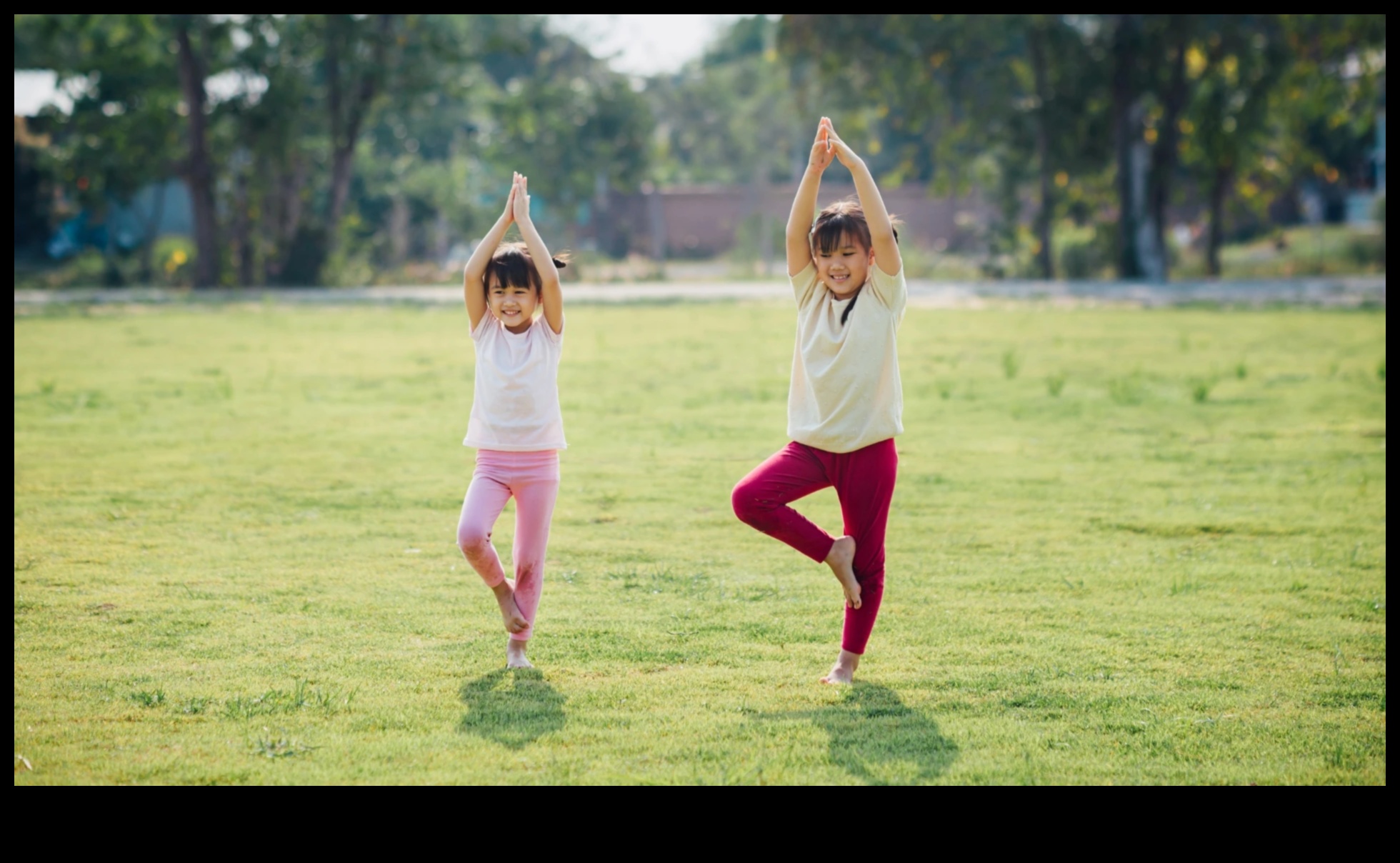
- Tree Pose (Vrksasana): Stand with your feet together. Bend your right knee and place your right foot on your left inner thigh. Reach your arms up overhead and clasp your hands together. Hold for 5-10 breaths. Then, switch legs and repeat on the other side.
- Cobra Pose (Bhujangasana): Lie on your stomach with your legs extended behind you. Place your hands on the floor under your shoulders and press your feet into the floor. Inhale and lift your head and chest off the floor. Hold for 5-10 breaths. Then, release and lower your body back to the floor.
- Downward-Facing Dog (Adho Mukha Svanasana): Start in a tabletop position with your hands and feet shoulder-width apart. Inhale and straighten your legs, lifting your hips up towards the sky. Keep your arms straight and your core engaged. Hold for 5-10 breaths. Then, release and lower your body back to the floor.
You can also find many playful yoga games for kids online. These games are a great way to get kids moving and having fun. Some popular yoga games for kids include:
- Freeze Tag Yoga: This is a variation of the classic game of freeze tag. In this version, players freeze when they hear the word “yoga.” The last person to freeze is the winner.
- Simon Says Yoga: This is a variation of the classic game of Simon Says. In this version, the leader gives yoga poses and the players have to follow them. The first person to make a mistake is out.
- Yoga Olympics: This is a fun way to get kids moving and competing. Divide the kids into teams and have them compete in different yoga poses. The team that can do the most poses correctly wins.
Music can also be a great addition to playful yoga. Playing calming or upbeat music can help to set the mood and get kids in the mood to move. You can find many playlists of yoga music online.
Props can also be used to make playful yoga more fun and interesting. Some popular yoga props include:
- Yoga mats
- Blocks
- Blankets
Feature Answer Kids Yoga Yoga poses and exercises specifically designed for children Playful Yoga Yoga that is fun and engaging for children Warrior Poses Yoga poses that strengthen the body and mind Yoga for Kids The benefits of yoga for children, including improved flexibility, strength, balance, and coordination Yoga Exercises Yoga exercises that are specifically designed for children 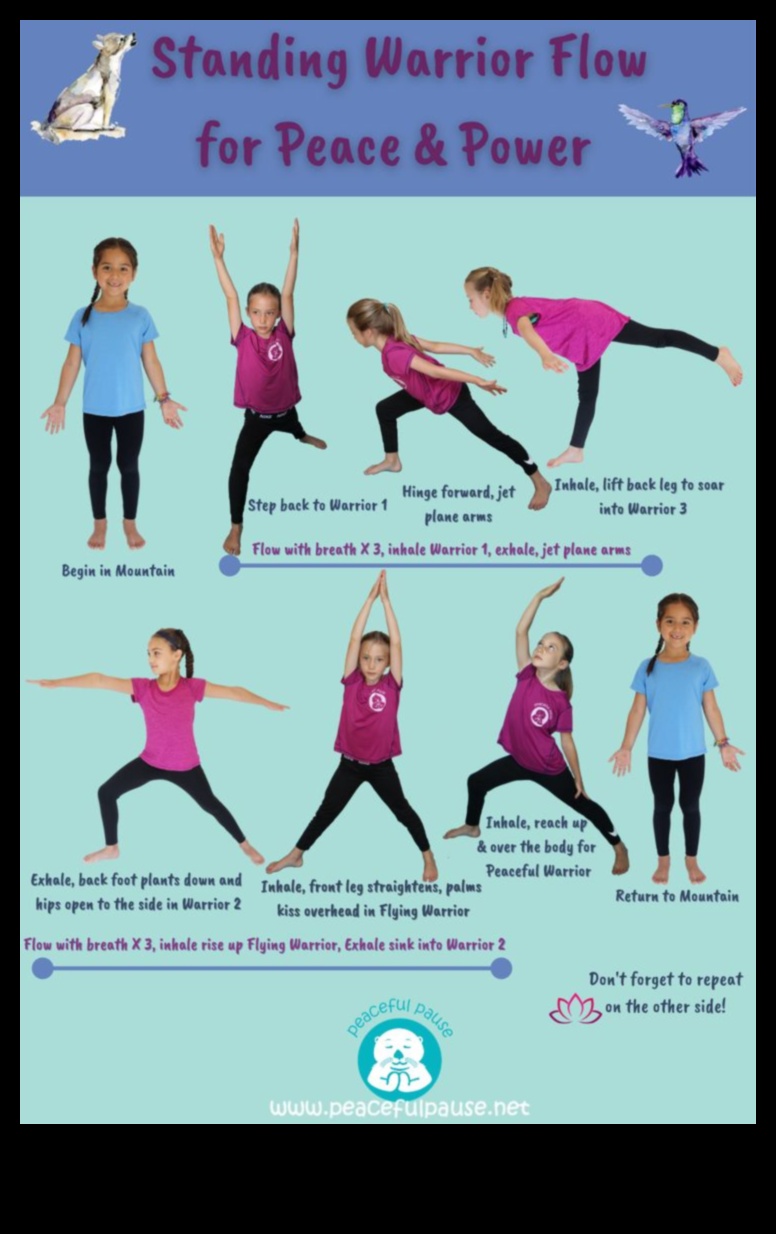
2. Benefits of playful yoga for kids
Playful yoga for kids has many benefits, including:
- Improved flexibility
- Increased strength
- Better balance
- Improved coordination
- Reduced stress and anxiety
- Improved sleep
- Increased self-esteem
- More fun!
3. How to do playful yoga with kids
Playful yoga is a great way to get kids moving and having fun. It can also help them to learn important skills, such as balance, coordination, and flexibility. Here are a few tips for doing playful yoga with kids:
- Start by choosing a quiet, comfortable space where kids can move around freely.
- Make sure the room is warm enough so that kids can move without getting cold.
- Invite kids to participate in the yoga session by asking them what they want to do.
- Encourage kids to move their bodies in ways that feel good to them.
- Make the yoga session fun and playful by using music, props, and games.
Here are a few examples of playful yoga poses that you can try with kids:
- Warrior pose: Stand with your feet shoulder-width apart and your arms outstretched to the sides. Take a deep breath in and then exhale as you bend forward from your hips and reach your arms towards the ground. Hold the pose for a few seconds and then return to standing.
- Tree pose: Stand with your feet together and your arms at your sides. Bend your right knee and place your right foot on your left inner thigh. Reach your arms up overhead and then interlace your fingers. Hold the pose for a few seconds and then switch legs.
- Downward-facing dog pose: Start by kneeling on the floor with your toes together and your hands shoulder-width apart in front of you. Inhale and then straighten your legs behind you so that you are in a downward-facing dog position. Hold the pose for a few seconds and then release.
For more playful yoga poses, you can check out the following resources:
4. Yoga poses for kids
Here are some yoga poses that are specifically designed for kids:
- Warrior Pose (Virabhadrasana I)
- Tree Pose (Vrksasana)
- Downward-Facing Dog (Adho Mukha Svanasana)
- Cobra Pose (Bhujangasana)
- Child’s Pose (Balasana)
For more information on yoga poses for kids, please see our article on yoga poses for kids.
5. Yoga games for kids
Yoga games are a great way to get kids excited about yoga and help them learn the poses. Here are a few ideas for yoga games you can play with your kids:
- Freeze dance: Have your kids stand in a yoga pose. When you say “freeze,” they should hold the pose as still as they can. The last person to hold the pose wins.
- Simon says: Play this classic game with a yoga twist. Have your kids do different yoga poses as you say them. If you say “Simon says,” they have to do the pose. If you don’t say “Simon says,” they shouldn’t do the pose.
- Yoga relay: Divide your kids into teams. Have each team line up in a row. The first person in each line does a yoga pose. Then, they run to the back of the line and the next person does a pose. The first team to do all the poses wins.
- Yoga scavenger hunt: Hide yoga poses around the house or yard. Have your kids find the poses and do them. The first kid to find all the poses wins.
6. Music for playful yoga
Music can be a great way to add to the fun of playful yoga. It can help to set the mood and create a sense of excitement. When choosing music for playful yoga, it is important to select songs that are upbeat and fun. Some good options include children’s music, pop music, and dance music.
You can play music in the background during yoga practice, or you can have children move to the music as part of the practice. For example, you could have children do jumping jacks or other exercises to the beat of the music.
Music can also be used to help children focus during yoga practice. If children are having trouble staying still or paying attention, you can try playing calming music to help them relax.
Here are some tips for choosing music for playful yoga:
- Choose songs that are upbeat and fun.
- Select songs that are appropriate for the age of the children.
- Play music at a volume that is comfortable for everyone.
- Use music to set the mood and create a sense of excitement.
- Have children move to the music as part of the practice.
- Use calming music to help children focus during yoga practice.
7. Props for playful yoga
There are many different props that can be used in playful yoga for kids, including:
- Blankets
- Bolsters
- Cushions
- Chairs
- Exercise balls
- Gymnastic mats
- Scarves
- Yoga blocks
Props can be used to help kids get into different poses, to make poses more challenging, or to create a more playful atmosphere. For example, a blanket can be used as a cushion for a child to sit on in child’s pose, or it can be used as a prop to help a child balance in tree pose. A bolster can be used to support a child’s back in seated forward bend, or it can be used as a pillow for a child to rest their head on in savasana. A cushion can be used to support a child’s feet in down dog, or it can be used as a prop to help a child balance in warrior pose. A chair can be used as a prop to help a child reach for their toes in seated forward bend, or it can be used as a seat for a child to rest in between poses. An exercise ball can be used to help a child balance in half moon pose, or it can be used as a prop to help a child stretch in seated twist. A gymnastic mat can be used as a surface for kids to practice yoga on, or it can be used as a prop to help a child stretch in bridge pose. A scarf can be used as a prop to help a child balance in tree pose, or it can be used as a prop to help a child stretch in seated forward bend. A yoga block can be used to help a child reach for their toes in seated forward bend, or it can be used as a prop to help a child balance in warrior pose.
Props can be a great way to make yoga more fun and engaging for kids. They can also help kids to get into different poses, to make poses more challenging, and to create a more playful atmosphere. If you’re looking for ways to make yoga more fun for your kids, consider using props!
Safety Tips for Playful YogaWhen practicing playful yoga with kids, it is important to take safety precautions to prevent injuries. Here are a few tips:
- Start with a warm-up to loosen up the muscles and joints.
- Make sure the kids are wearing comfortable clothing that allows them to move freely.
- Use a mat or other soft surface to protect the kids from falls.
- Be aware of any potential hazards in the area where you are practicing yoga, such as sharp objects or slippery surfaces.
- Encourage the kids to listen to their bodies and stop if they feel pain.
By following these tips, you can help to keep the kids safe while they are practicing playful yoga.
9.
Playful yoga is a great way for kids to get exercise, relieve stress, and connect with their bodies. It can also be a fun and creative way for kids to learn about yoga poses and their benefits. If you’re looking for a way to get your kids moving and having fun, playful yoga is a great option.
Here are some tips for getting started with playful yoga with your kids:
- Start by choosing a few simple yoga poses that are appropriate for your child’s age and ability level.
- Make the experience fun and playful by using games, music, and props.
- Encourage your child to explore their body and find poses that feel good.
- Be patient and supportive, and let your child lead the way.
With a little practice, playful yoga can become a regular part of your child’s life. It’s a great way to help them stay healthy and happy.
10. Questions and Their Answers
Q: What are the benefits of playful yoga for kids?
A: Playful yoga has many benefits for kids, including:- Improved balance and coordination
- Increased flexibility
- Strengthened muscles
- Reduced stress and anxiety
- Improved sleep
- Enhanced self-awareness
- Increased confidence
Q: How do I do playful yoga with my kids?
A: Here are a few tips for doing playful yoga with your kids:- Make it fun! Yoga should be a positive experience for kids, so make sure to keep it light and playful.
- Use props! Props can help make yoga more fun and engaging for kids. Some popular props include yoga blocks, bolsters, and straps.
- Encourage creativity! Let kids come up with their own yoga poses or sequences.
- Be patient! Kids learn at their own pace, so don’t get discouraged if they don’t get a pose right away.
Q: What are some yoga poses for kids?
Here are a few simple yoga poses that are perfect for kids:- Standing Mountain Pose
- Child’s Pose
- Downward-Facing Dog Pose
- Cat-Cow Pose
- Warrior Pose I
- Warrior Pose II
- Tree Pose